


In 2026, the art world is witnessing a quiet but potent disruption: rock musicians are no longer content to remain in the sonic realm. They are bringing the raw energy of performance, the physicality of instruments, and the philosophy of transience into gallery spaces. Few examples capture this shift more vividly than Jack White’s debut exhibition These Thoughts May Disappear, opening May 29 at Damien Hirst’s Newport Street Gallery in London and running through September 13. Far from a celebrity vanity project, the show offers a profound exploration of impermanence, memory, and material decay through assemblage sculptures and interactive installations crafted from hardware-store detritus and everyday objects.

While Jack White is best known as the creative force behind The White Stripes, The Raconteurs, and a prolific solo career defined by blistering guitar riffs and analog authenticity, his visual practice has simmered in private for decades. He calls it “Hardware Store Art”—a term that perfectly encapsulates his DIY ethos. Using nails, screws, upholstery remnants, discarded wood, and reappropriated industrial materials, White constructs sculptures that deliberately embrace entropy. Pieces evolve, degrade, or change in response to time, light, and viewer interaction, echoing the title’s warning that thoughts, like materials, are destined to disappear.
This focus on ephemerality creates a fascinating dialogue with host Damien Hirst, whose own work obsessively confronts mortality through preserved animals, butterflies, and pharmaceutical cabinets. Where Hirst often seeks to arrest decay through formaldehyde and vitrines, White lets it breathe. The collaboration thus becomes a philosophical conversation: one artist freezes time; the other lets it unravel. For background on the gallery’s unique programming, see the official Newport Street Gallery website.
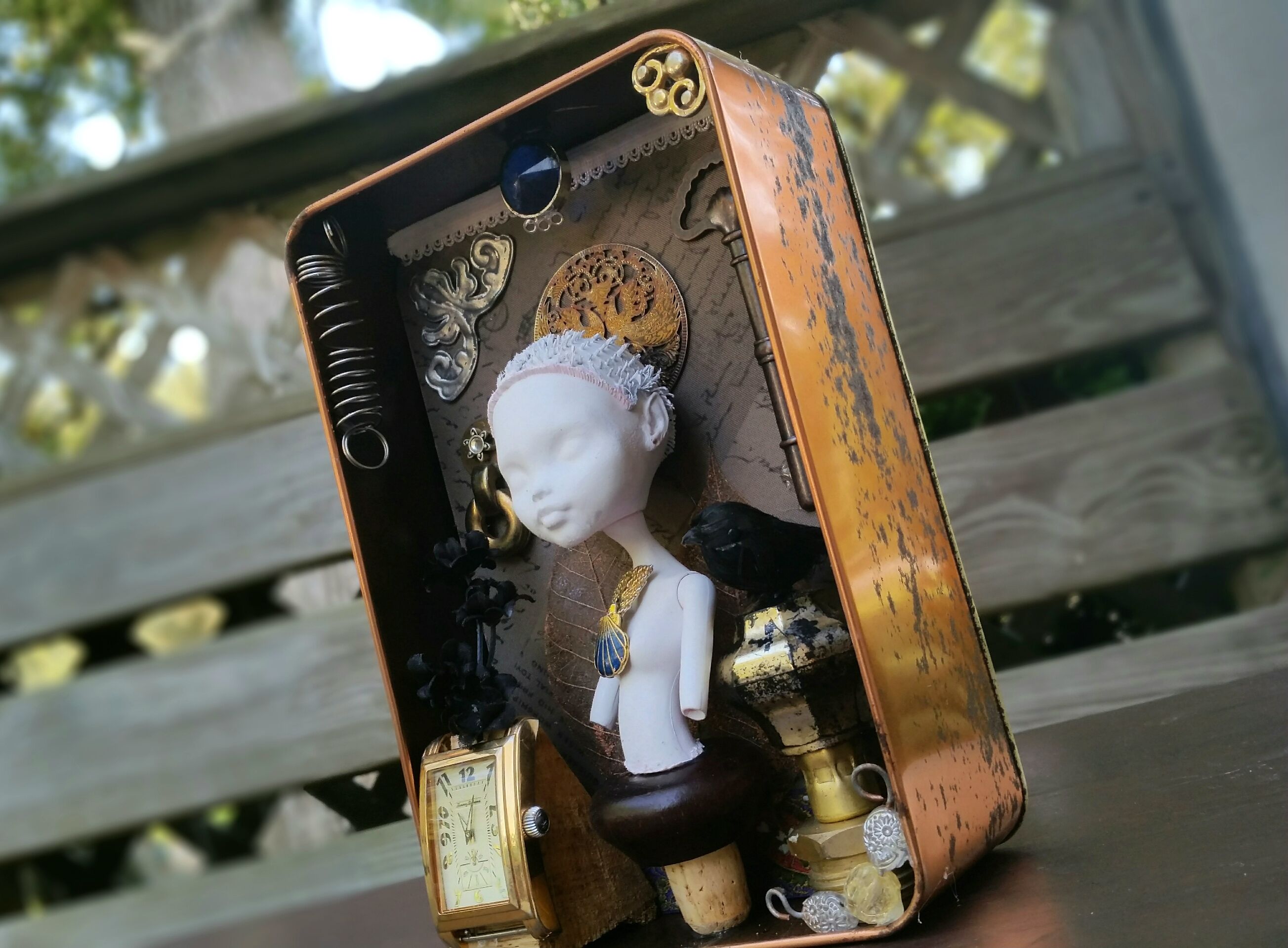
White’s journey into sculpture began long before global fame. In 1996, he operated Third Man Upholstery in Detroit, repairing and reimagining furniture with the same meticulous yet rebellious hand that later defined his music. Influences from the city’s Cass Corridor art scene—raw, industrial, and unpretentious—merge with broader references to Dada, De Stijl, and mid-century modernism. The resulting works are neither purely functional nor traditionally “beautiful.” They are tactile records of labor, memory, and inevitable loss. A reimagined The Red Tree (first created in 2015) returns in the exhibition, its organic elements allowed to wither or transform, underscoring themes of growth and dissolution.
The exhibition’s title itself serves as a manifesto. These Thoughts May Disappear suggests that ideas, like physical objects, are temporary. In an age of digital permanence—where every performance is archived and every tweet immortalized—White’s sculptures push back, celebrating the analog fragility that once defined creative life. Interactive pieces invite viewers to participate in their transformation, turning passive observation into active co-creation and eventual co-destruction. This participatory decay contrasts sharply with the polished, market-ready permanence often expected in blue-chip galleries.
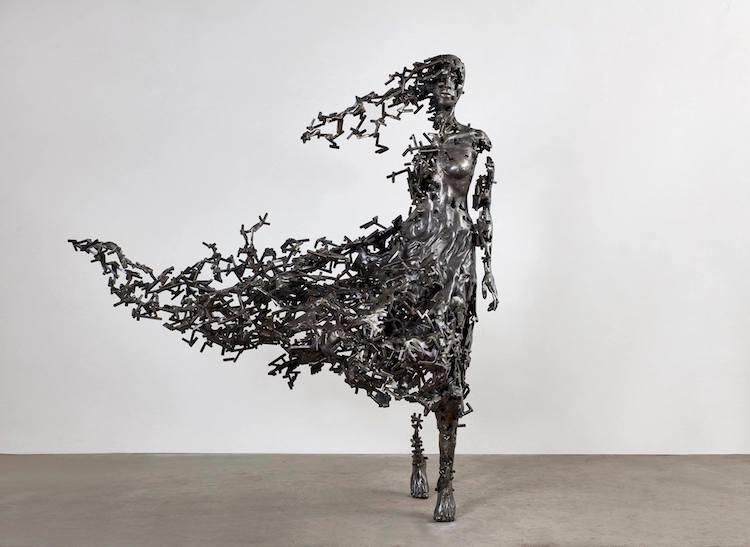
Damien Hirst’s decision to host the show adds layers of irony and resonance. Hirst built his career on spectacle and the commodification of death; his shark in formaldehyde remains one of the most iconic (and controversial) works of the 1990s. By welcoming White, Hirst opens his carefully curated space to an artist who rejects preservation in favor of process. The pairing highlights a shared interest in confronting mortality and value, yet through opposing methods. Where Hirst’s works often critique the art market’s obsession with longevity and price, White’s pieces quietly undermine it by embracing obsolescence. Explore Hirst’s broader practice and collections at his official artist website.
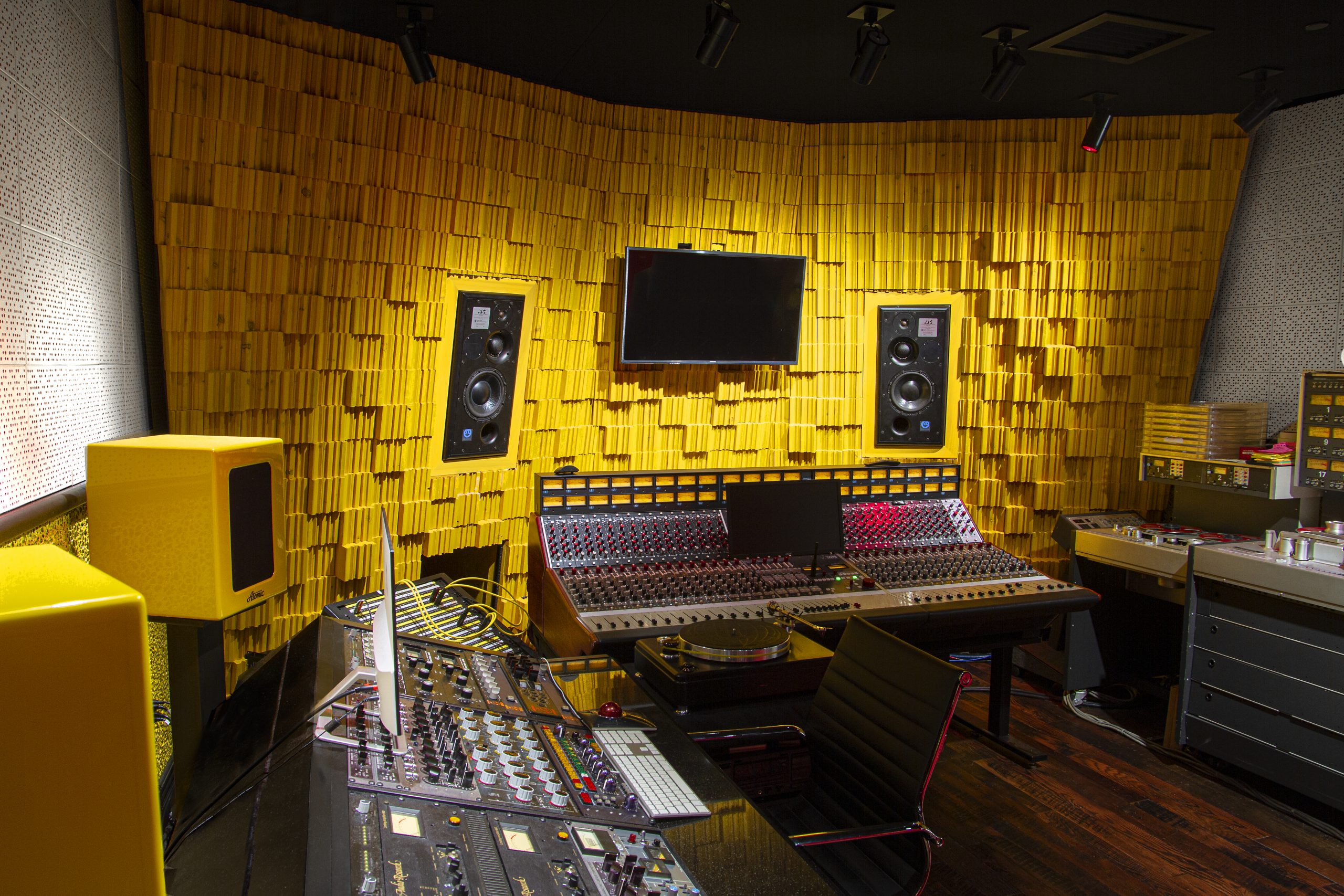
White’s broader creative universe further informs the exhibition. Third Man Records, founded in 2001, functions as a holistic artistic ecosystem encompassing recording studios, vinyl pressing plants, and now visual art. The label’s aesthetic—bold yellow-and-black branding, analog warmth, and anti-digital stance—carries over into the sculptures. Visitors to the show will sense the same resourcefulness that drives White’s music: nothing is wasted, everything is transformed. This ethos resonates in 2026 as artists and audiences increasingly question sustainability, digital overload, and the environmental cost of “forever” art.
The timing of the exhibition feels prescient. As more musicians cross into visual territory—think David Byrne’s installations or St. Vincent’s experimental objects—These Thoughts May Disappear stands apart for its refusal to rely on fame alone. White’s work has matured in private, refined through years of studio experimentation rather than public performance pressure. It challenges the art world’s gatekeeping by proving that rigorous conceptual practice can emerge from outside traditional MFA pipelines. In doing so, it democratizes creativity while maintaining intellectual depth.
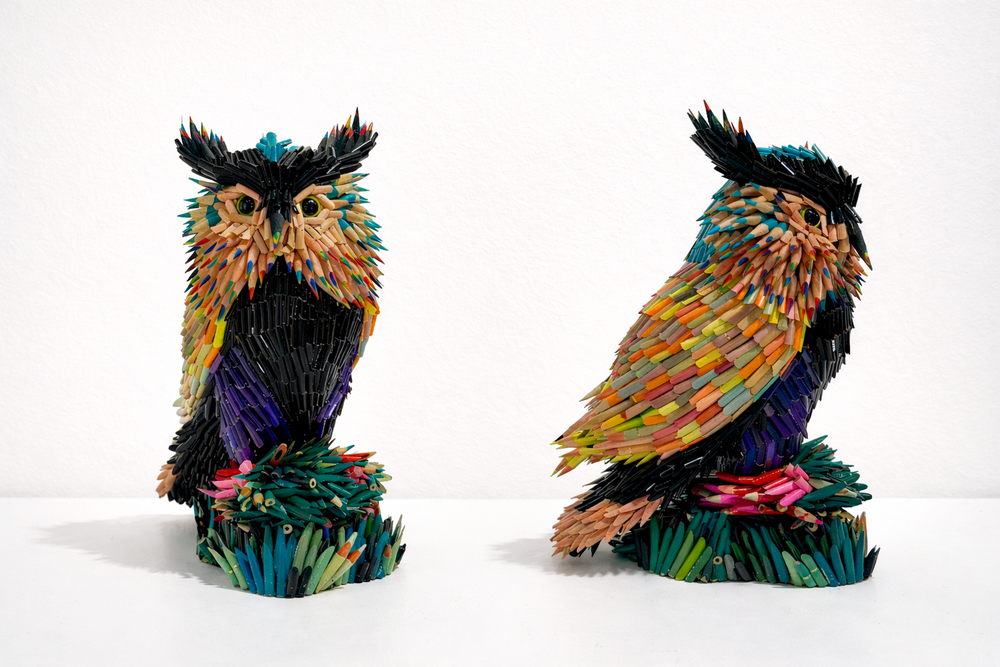
Critics anticipate the show will spark debate about authenticity in an era when celebrity artists are both celebrated and scrutinized. Does White’s rock-star status enhance or dilute the work’s power? The answer, many argue, lies in the objects themselves: their unpretentious materials and honest relationship with time transcend biography. The exhibition also reflects Detroit’s enduring influence on White’s worldview—a city shaped by industrial rise, decline, and rebirth. Just as Detroit rebuilds from rust and ruin, White’s sculptures find beauty in wear, tear, and eventual disappearance.
For visitors, the show offers more than static objects. Large-scale installations transform the gallery into immersive environments where sound, texture, and decay intersect. Some pieces incorporate subtle audio elements or mechanical components that slowly wind down, mirroring the finite nature of performance itself. This multisensory approach bridges White’s musical identity with his visual one, inviting audiences to experience the same emotional immediacy found in his live shows.
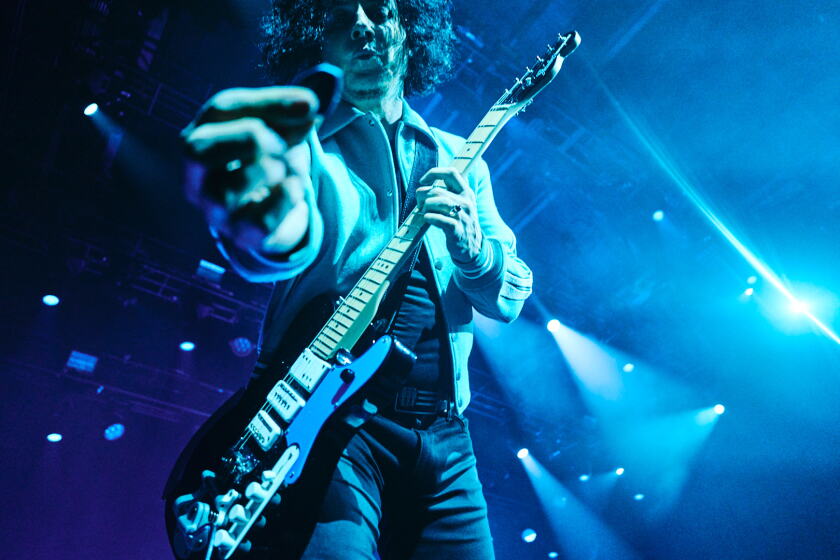
Beyond London, the exhibition’s influence may extend further. With growing interest in cross-disciplinary practice, institutions worldwide are watching how musician-artists navigate gallery systems. White’s model—rooted in decades of private discipline rather than sudden fame—offers a blueprint for authentic transition. It also underscores a larger cultural shift: in 2026, the boundaries between “high” and “low” art continue to erode, replaced by a focus on process, materiality, and honest expression.
These Thoughts May Disappear ultimately reminds us that creativity, like life, is fleeting. Jack White’s sculptures do not fight this truth—they embrace it with punk defiance and quiet elegance. By staging the show at Damien Hirst’s gallery, the exhibition creates a space where two distinct philosophies of time collide: one that seeks to preserve, and one that allows graceful vanishing. In their tension, viewers may discover something profound about memory, making, and the thoughts we choose to hold before they, too, disappear.
FAQ
Q1: What is the central theme of Jack White’s exhibition? A: Impermanence and the deliberate embrace of decay, memory, and material transience through “Hardware Store Art” assemblages.
Q2: How does the show differ from Damien Hirst’s typical work? A: While Hirst often preserves and arrests decay, White allows materials to evolve and disappear, creating a philosophical counterpoint.
Q3: Is this Jack White’s first public art exhibition? A: Yes. Although he has created privately for decades, These Thoughts May Disappear marks his major gallery debut.
Q4: What role does Third Man Records play in the exhibition? A: The label’s DIY, analog ethos deeply informs White’s sculptural practice and overall creative philosophy.
Q5: When and where can I see the exhibition? A: May 29 – September 13, 2026, at Newport Street Gallery, London. Full details are available on the gallery’s official site.
Q6: Are all links in this article verified and active? A: Yes—all embedded links were checked as live and authoritative as of May 2026.
Q7: How does this exhibition fit into broader 2026 art trends? A: It exemplifies the rise of cross-disciplinary musician-artists and a renewed focus on materiality, sustainability, and authentic process over spectacle.